Mini Atlases: A Brief Introduction

By Michael Haggerty

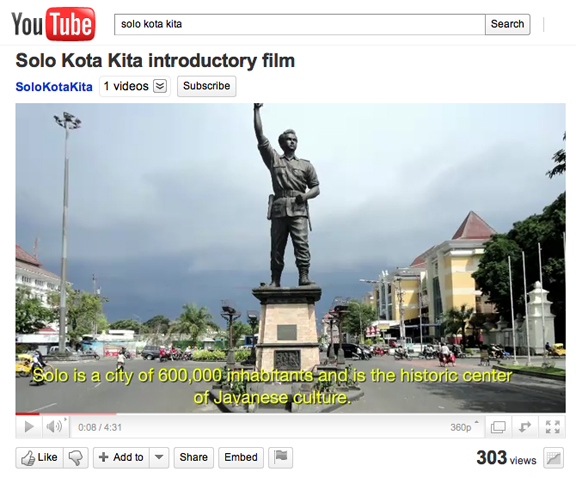
For our national dissemination seminar in December, we prepared a short video about Solo Kota Kita – what our project is and how it works.

If you’re thinking of introducing a friend or neighbor to Solo Kota Kita and the mini atlases, just send them to You Tube.

Watch the video:

Leave a comment

I’m Picturing Change

By Ian Pramoto

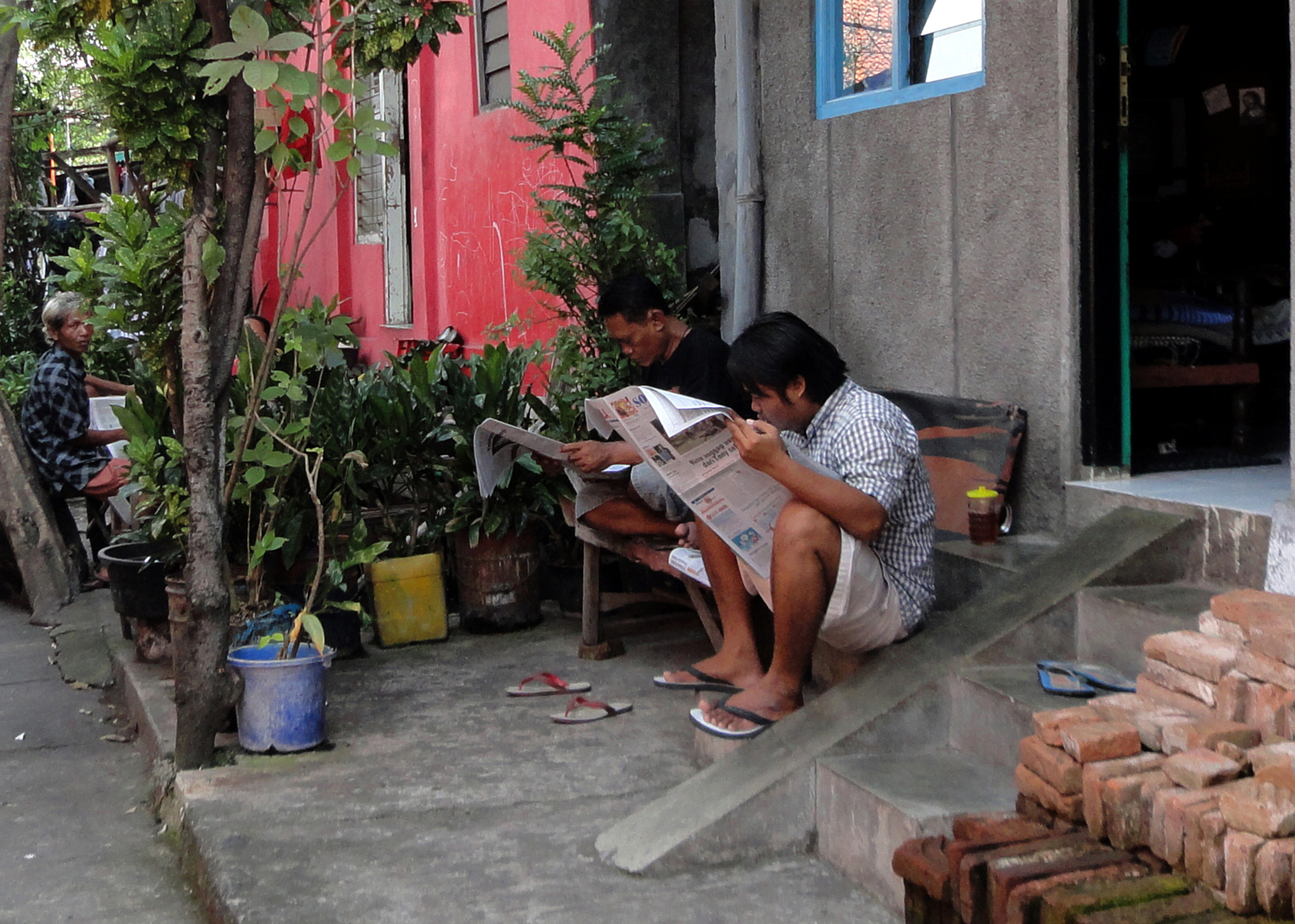
Ian has visited every neighborhood in Solo to create the photography that is featured on the Solo Kota Kita mini atlases.

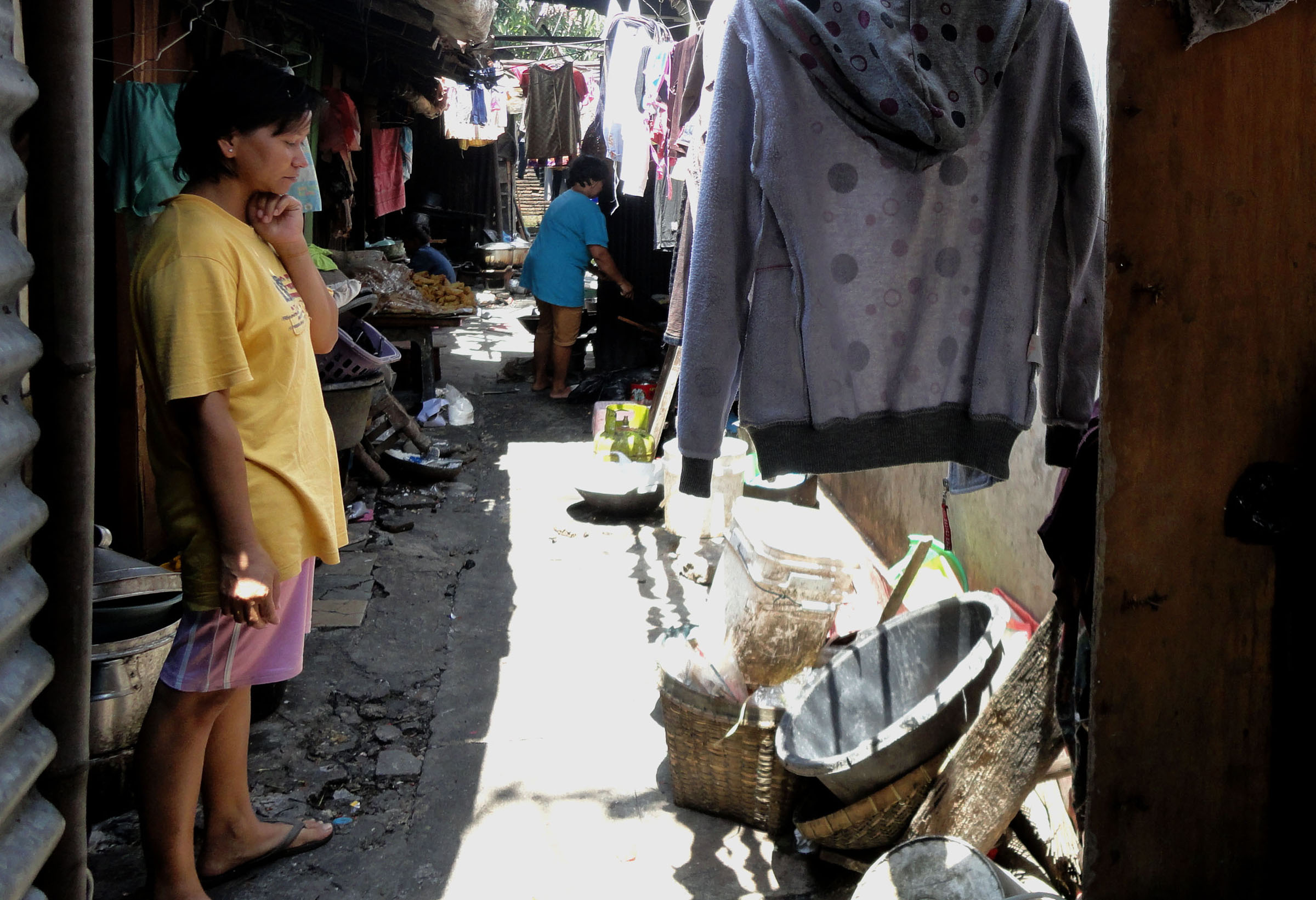
As I walk through every neighborhood in Solo, collecting image after image to represent the conditions in each, direct and spontaneous comments arise from the citizens.

“Mas, why are you taking photographs of our neighborhood? Will there be any new development?”

“Hey, I bet you want to give us money to build infrastructure here?”

One thing is for sure, the comments show people have high hopes for new development in the neighborhood. Yet their comments are straightforward about how there is a gap between their expectations and development.

Everybody knows development in Solo is moving fast, so it’s no wonder people have immense expectations for the future. But these expectations mean people put their hope in change that could actually lead to two different outcomes either a solution for their problems or a cause of new problems in their lives.

My camera captures the contrast between reality today and the promise of development. I photograph the poor environmental conditions and unplanned physical development in neighborhoods, which is why people comment to me about buildings and infrastructure. Society is expecting change, so maybe yes, when I come back in a few months, my camera will document that change.

The people I photograph have big expectations, but who is going to meet those expectations? I don’t not have the authority to answer, but maybe my camera can attract the attention of the agents of development? And as I pack up to leave, a different kind of comment comes toward me.

“Well, after you take your photographs, will the roads and drainage be rebuilt?”

I too have expectations about what I do along with those of the people. I hope my photographs can provide an entrance to see the social reality today so that development in the future will met the community’s expectations.

Leave a comment

Maybe This Could Work in Solo?…

By Michael Haggerty

Last month, we presented Solo Kota Kita at a day-long conference sponsored by Architecture for Humanity in New York City.

Anybody could share their project during a so-called Design Open Mic. Each project had a specific group in mind and strategy for meeting their needs for a few of the projects, I thought, That idea could make a lot of sense Solo.”

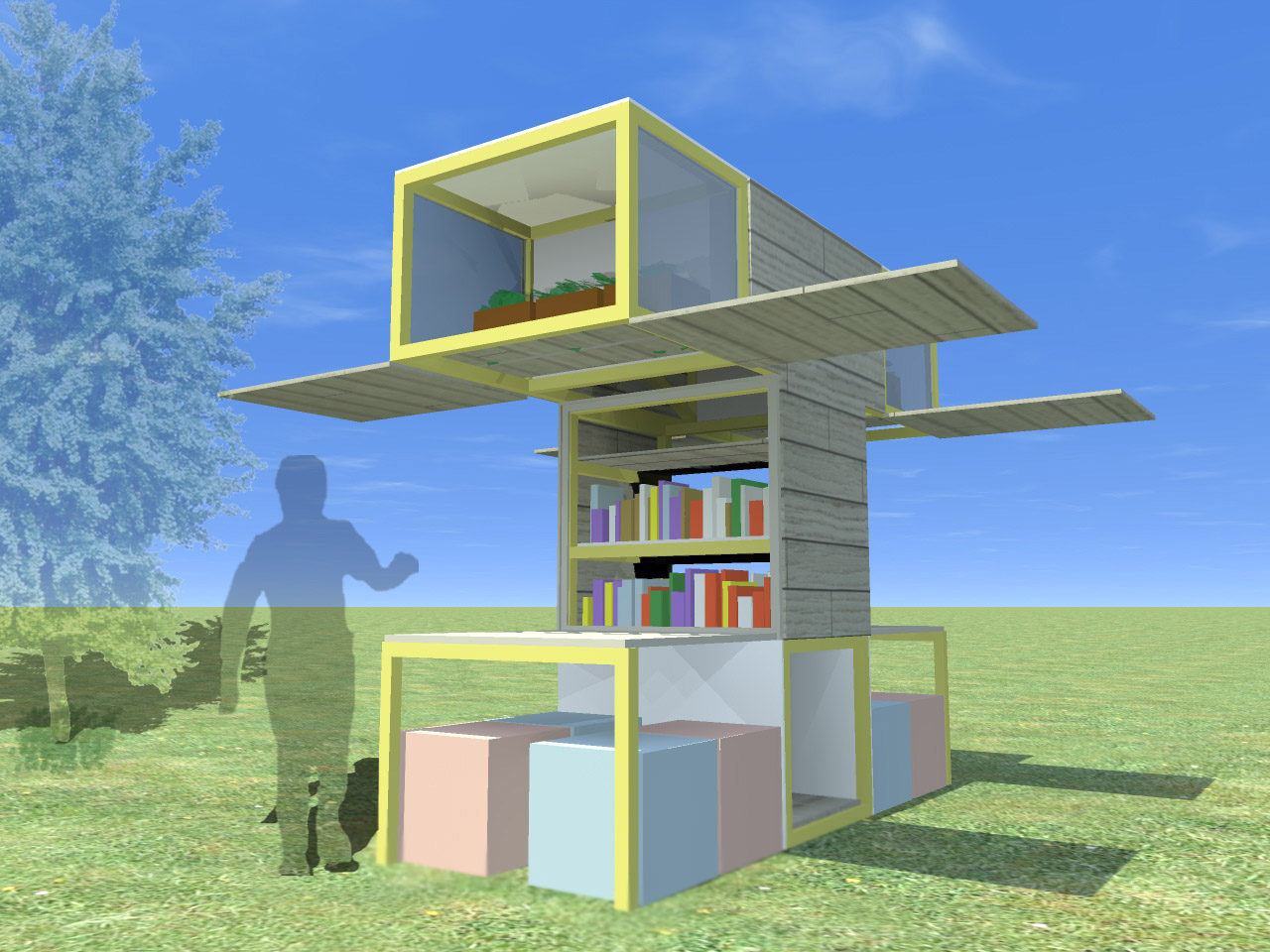
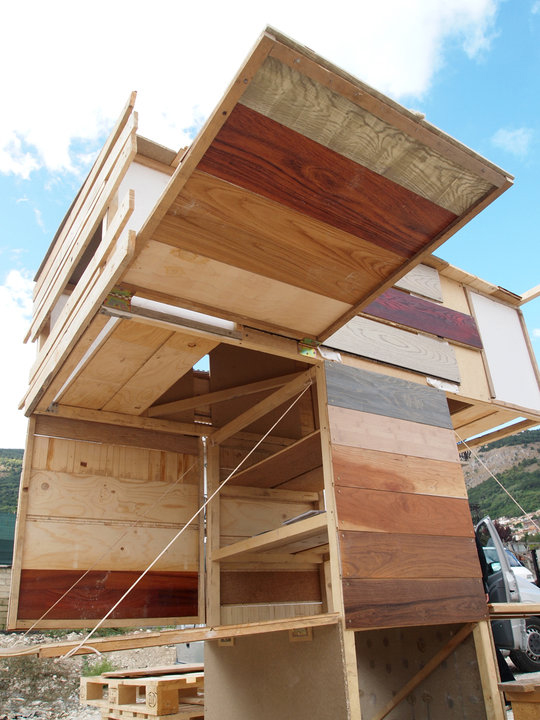
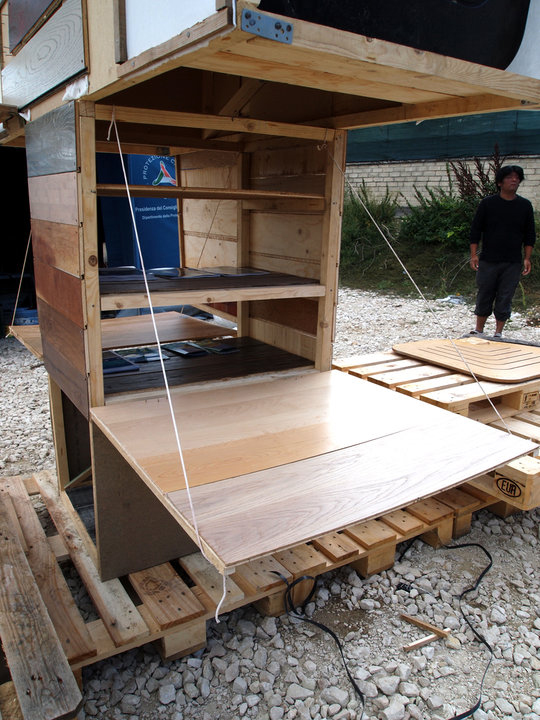
One project is called a micro-library. It was designed by an architect named Heba ElGawish for children who live in a peri-urban settlement in Italy who had to move after an earthquake in 2009. The idea is a compact, mobile library that provides shelves for books and seating for eight children. Made from recycled plywood, studs, and palettes, the library’s dimensions made it possible to easily fold-up and store indoors.

After school lets out in the late-morning in Solo, there are always so many students in the city. They take the afternoon to spend time with friends in the streets which really are the most important public spaces in Solo before heading home to study. Maybe micro-libraries in Solo could add a new dimension to this daily activity?

Another project that could inform life in Solo are new food vendor stalls designed as part of a competition sponsored by the New York City chapter of Architecture for Humanity.

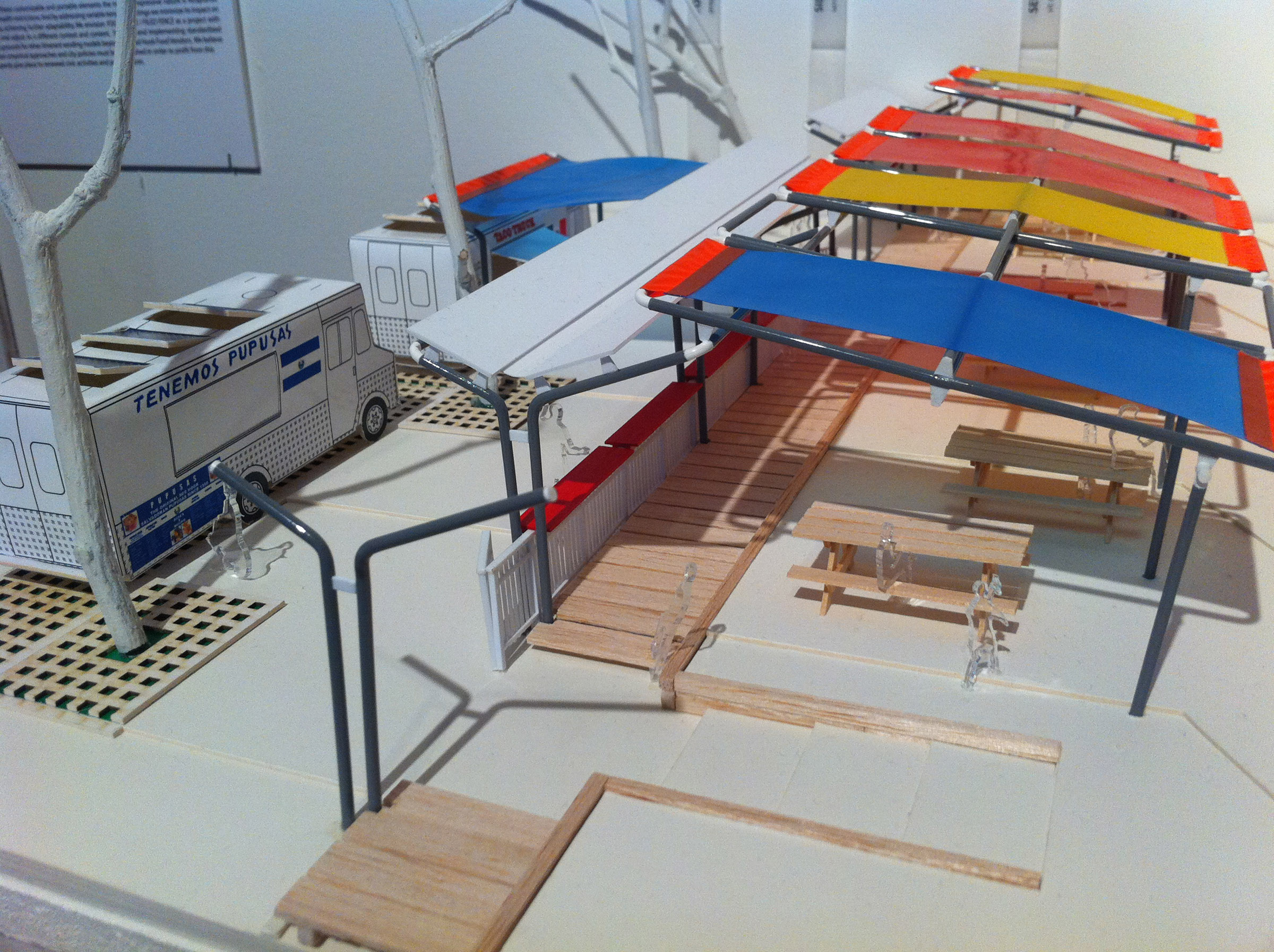
For many years, groups of immigrants from Central America set up a market of food tents next to a popular football pitch on Saturdays. Recently, the city’s Department of Health required the vendors to buy expensive food trucks in order to meet sanitation regulations. But once the vendors moved into the trucks, the market lost much of the bustle and color that made it appealing. So Architecture for Humanity asked designers to come up with ideas for how the vendors could meet the regulations, but be near the football pitch and their customers.

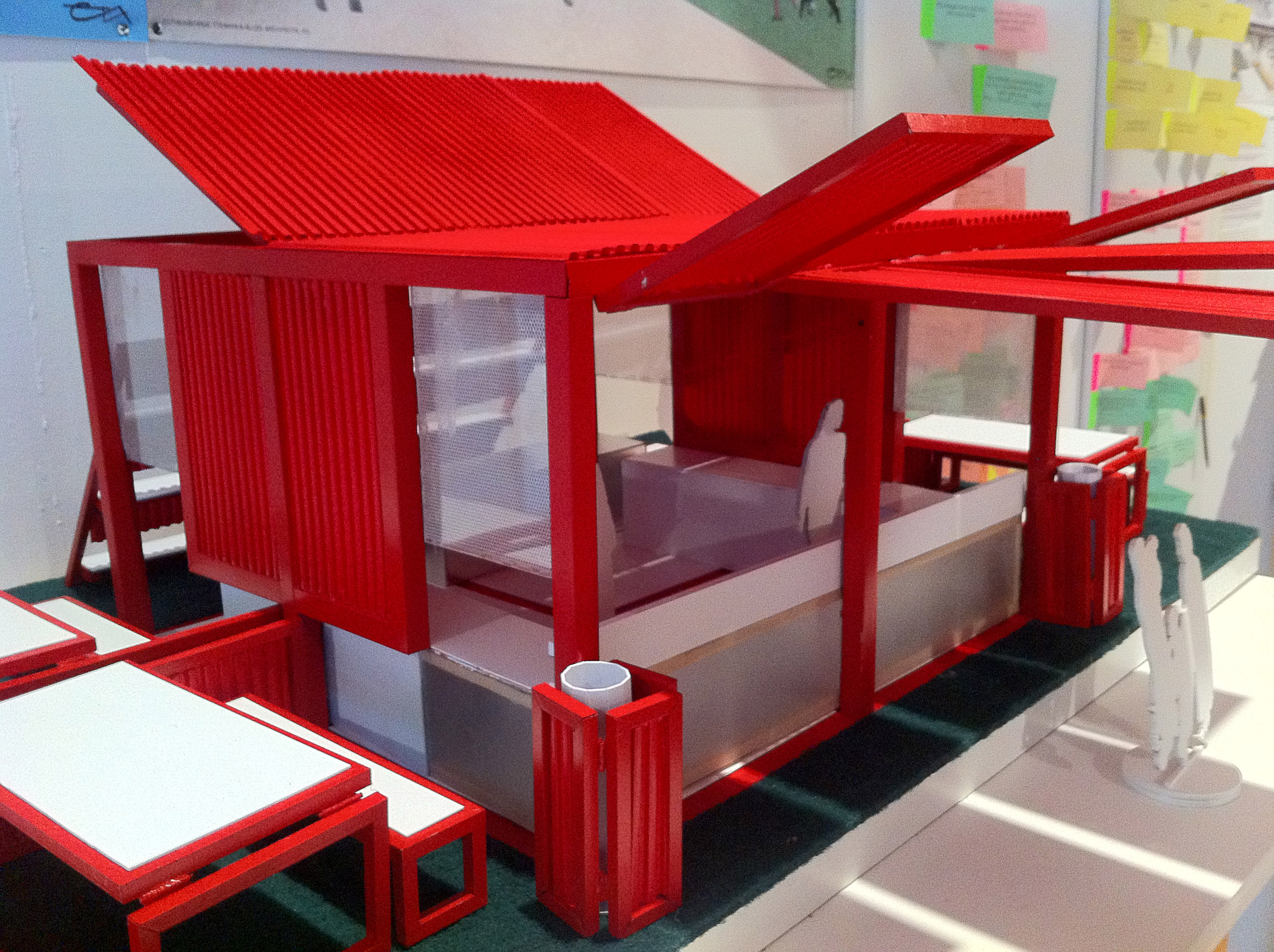
As a result of the competition, some of the ideas may be built by the Parks Department. One idea is for a new food stall made from a shipping container. Another provides a shaded area closer to the trucks and vendors. These projects use affordable, but bright and flexible materials to give the market an interesting identity.

Solo already has a new formal night market, but there are many other vendors everywhere in the city. Maybe these ideas could inspire new ways to make the places they gather into places where it’s easy for customers to sit down and enjoy the food?

Leave a comment

SKK’s Office in Jajar: The Anti-thesis of the Urban Cubicle

By Olivia Stinson

Olivia is an urban planner in Jakarta who we know from New York City and New Orleans. She came out to Solo this past summer to volunteer and help bring together the neighborhood mini atlases.

After several months in Jakarta, it was a treat to come down and work with the Solo Kota Kita team for a week in their spartan, but lively office in the Jajar neighborhood. I love Solo. It is quiet, reserved, and genteel compared to Jakarta. Solo murmurs in your ear, Jakarta screams into your BlackBerry.

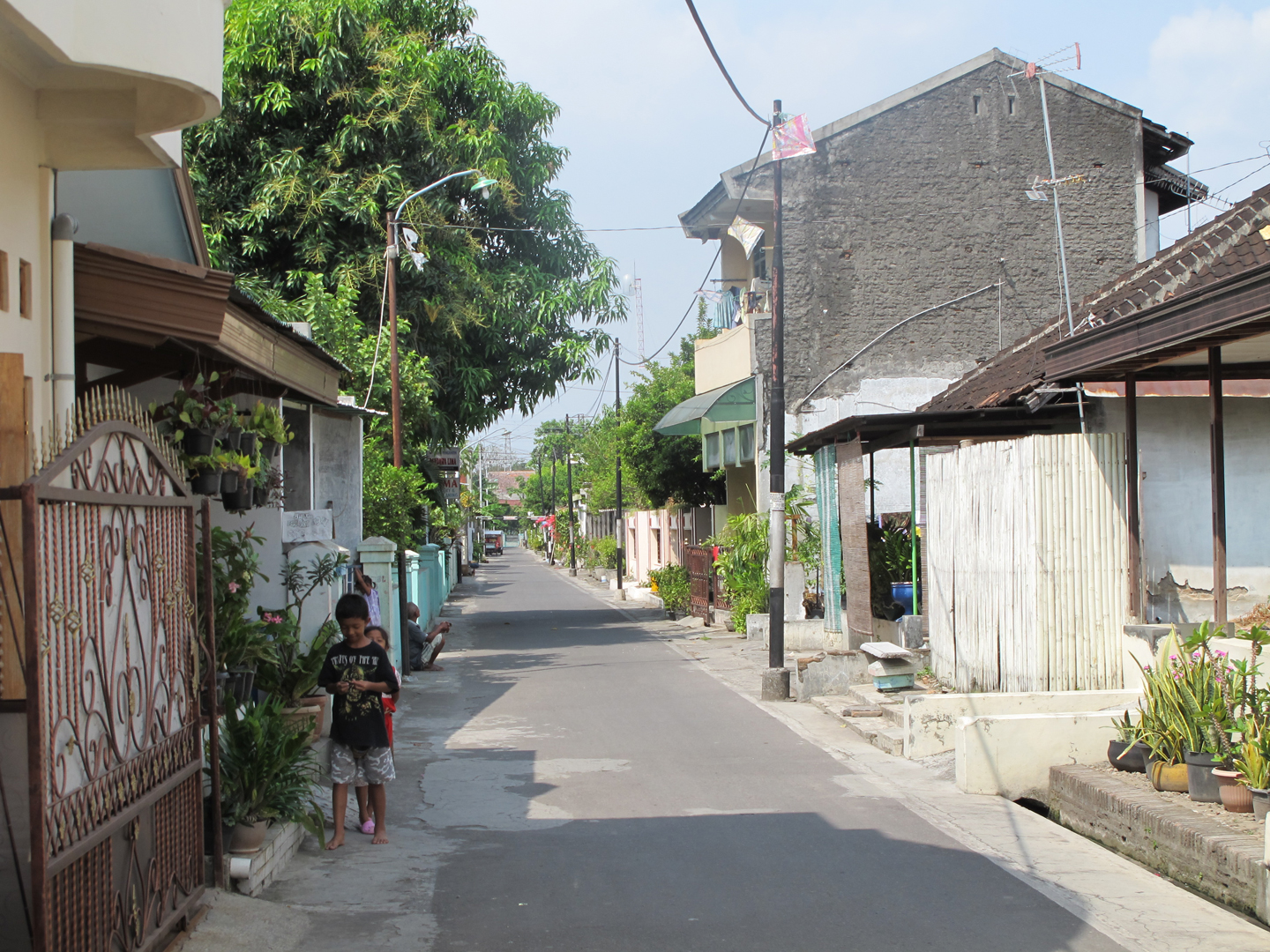
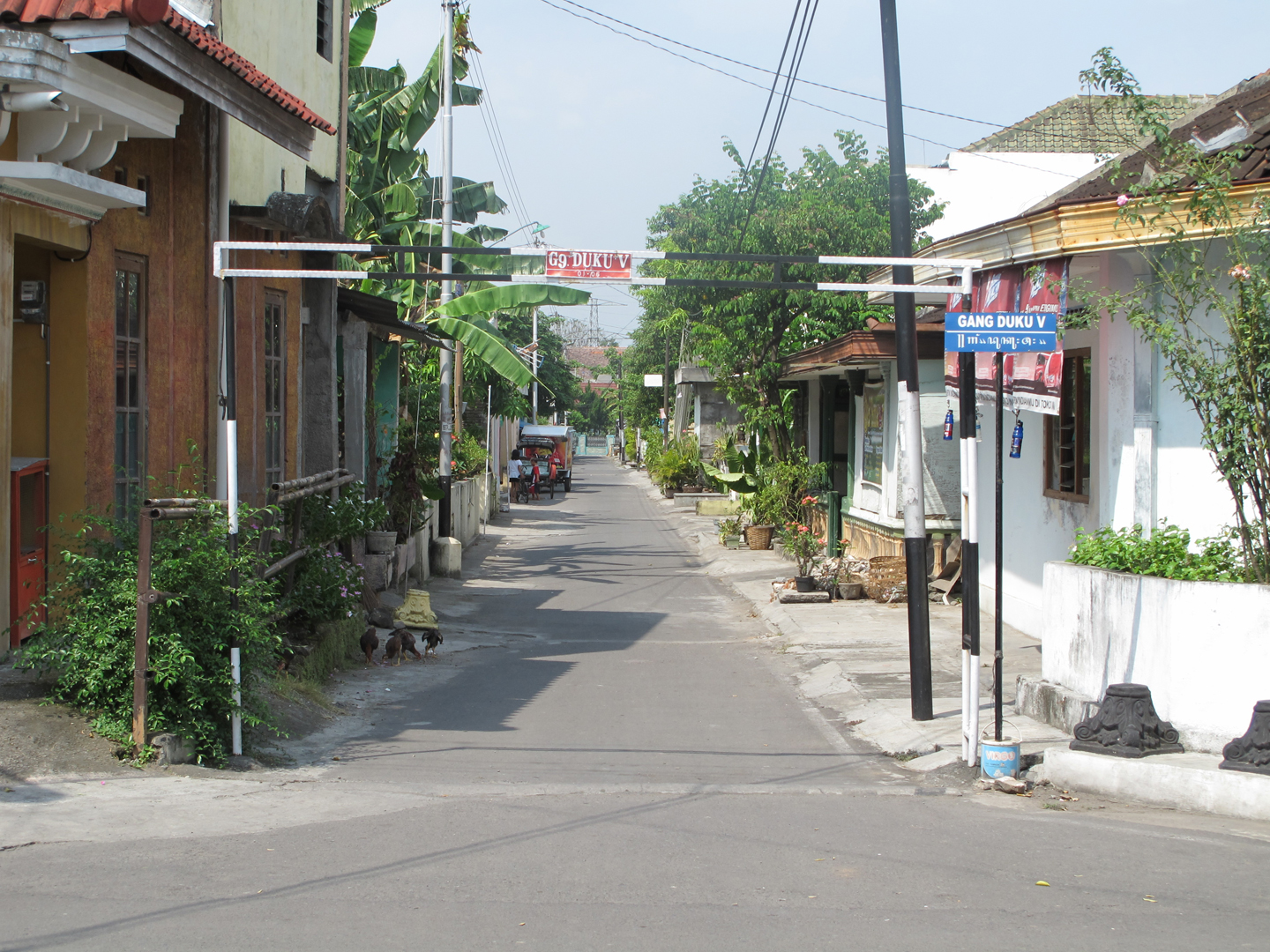
The SKK office is in a very residential neighborhood which over time, quietly revealed its layers and rhythms. Being in Jajar made you slow down and look around. As you did, the more the various daily patterns and relationships came into focus, the more you unconsciously felt in your place in the street, the office, and the sweet little city.

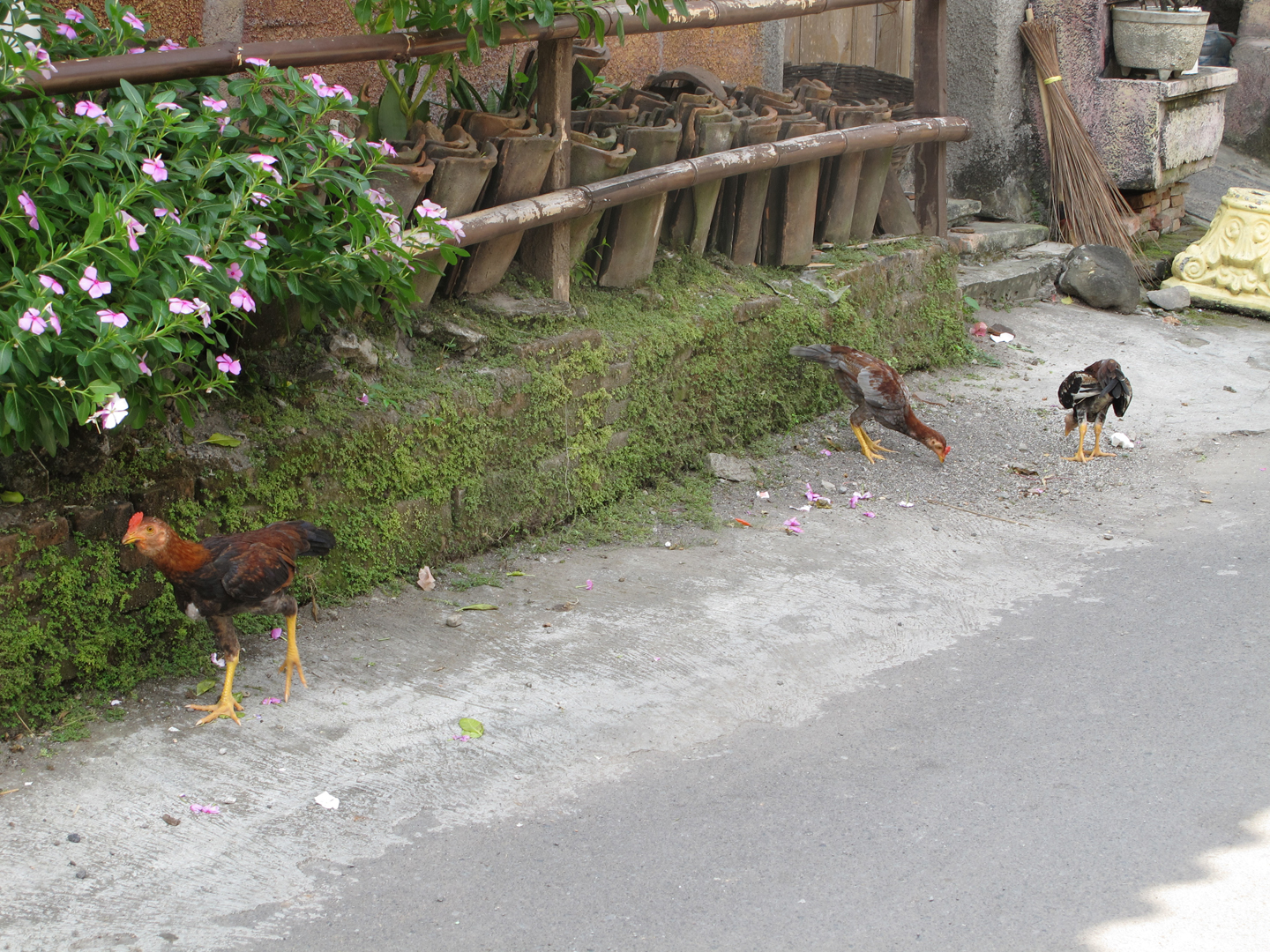
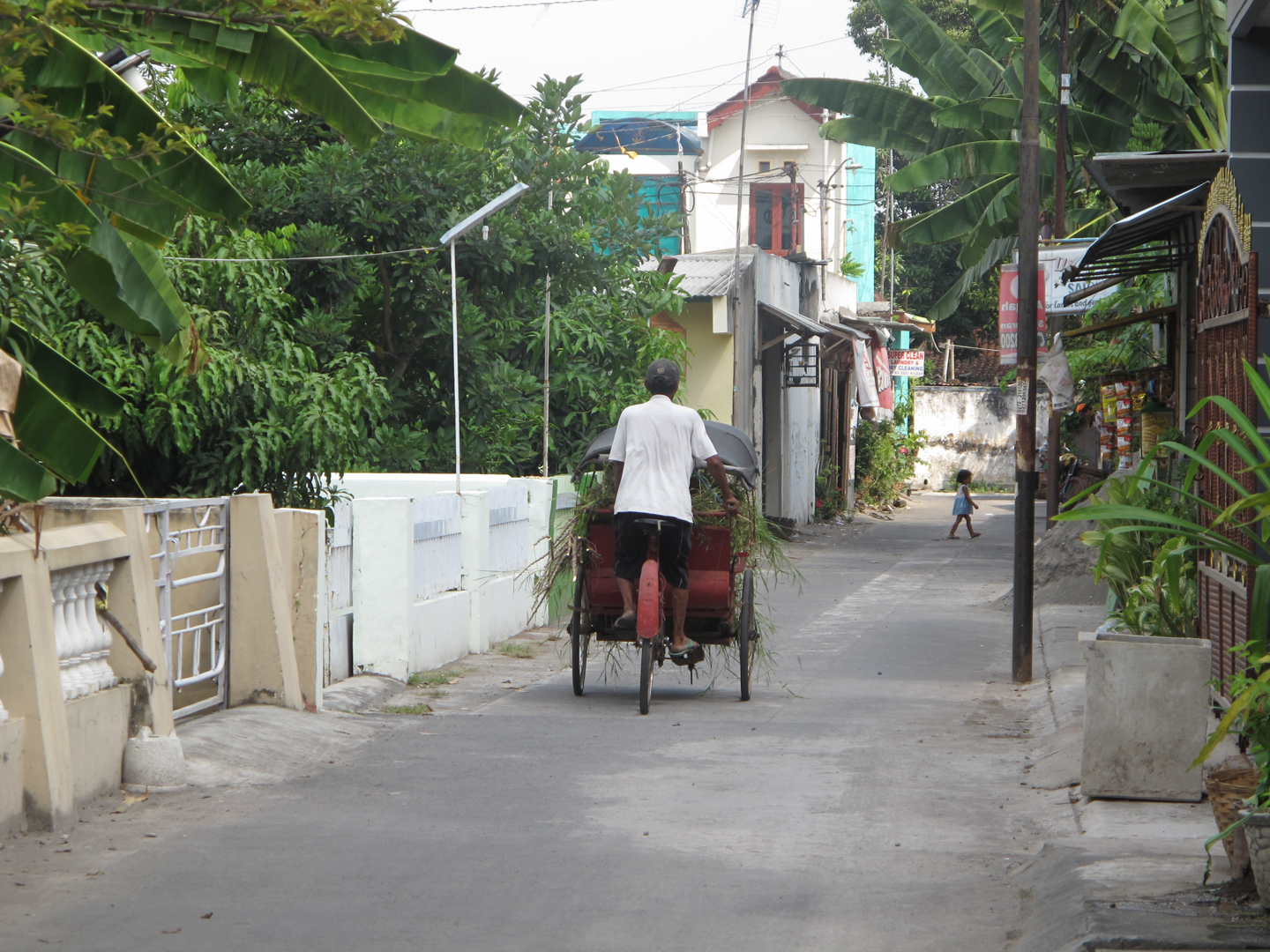
The office is in an old house there, and we kept the doors and windows open all the time. We all went to the office pretty early, around 8 a.m. or before, and the neighborhood was already lively. There were the serenaders first thing, then little vendors of snacks and satay, then cars and errand runners, on and on. Noises and people, workers and chickens, children and Ibus chirped away at us through the open windows.

It was never dull. It was the anti-thesis of an urban cubicle. We were completely tuned into this place and it was a simple, but connected life, working for the city.

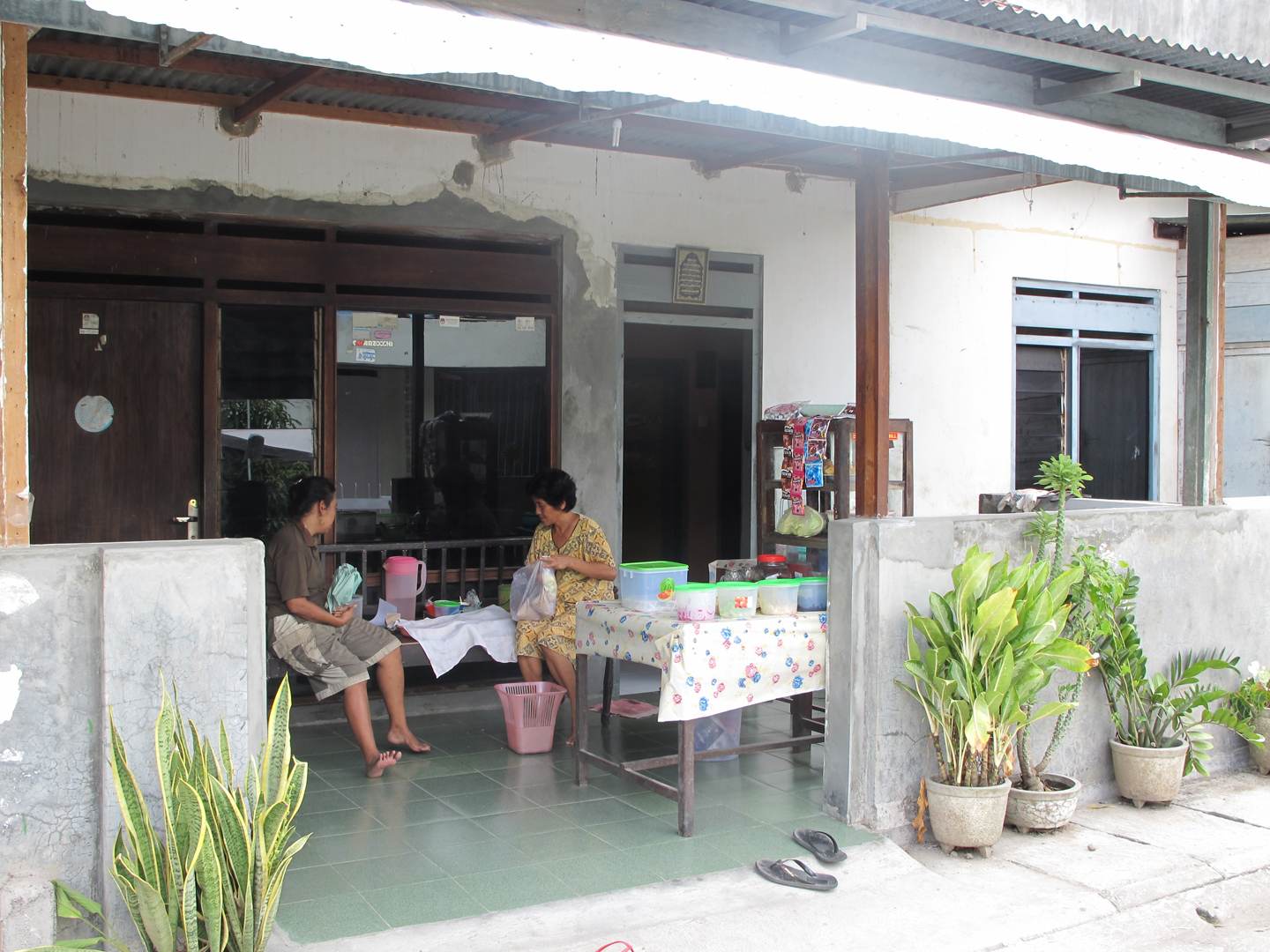
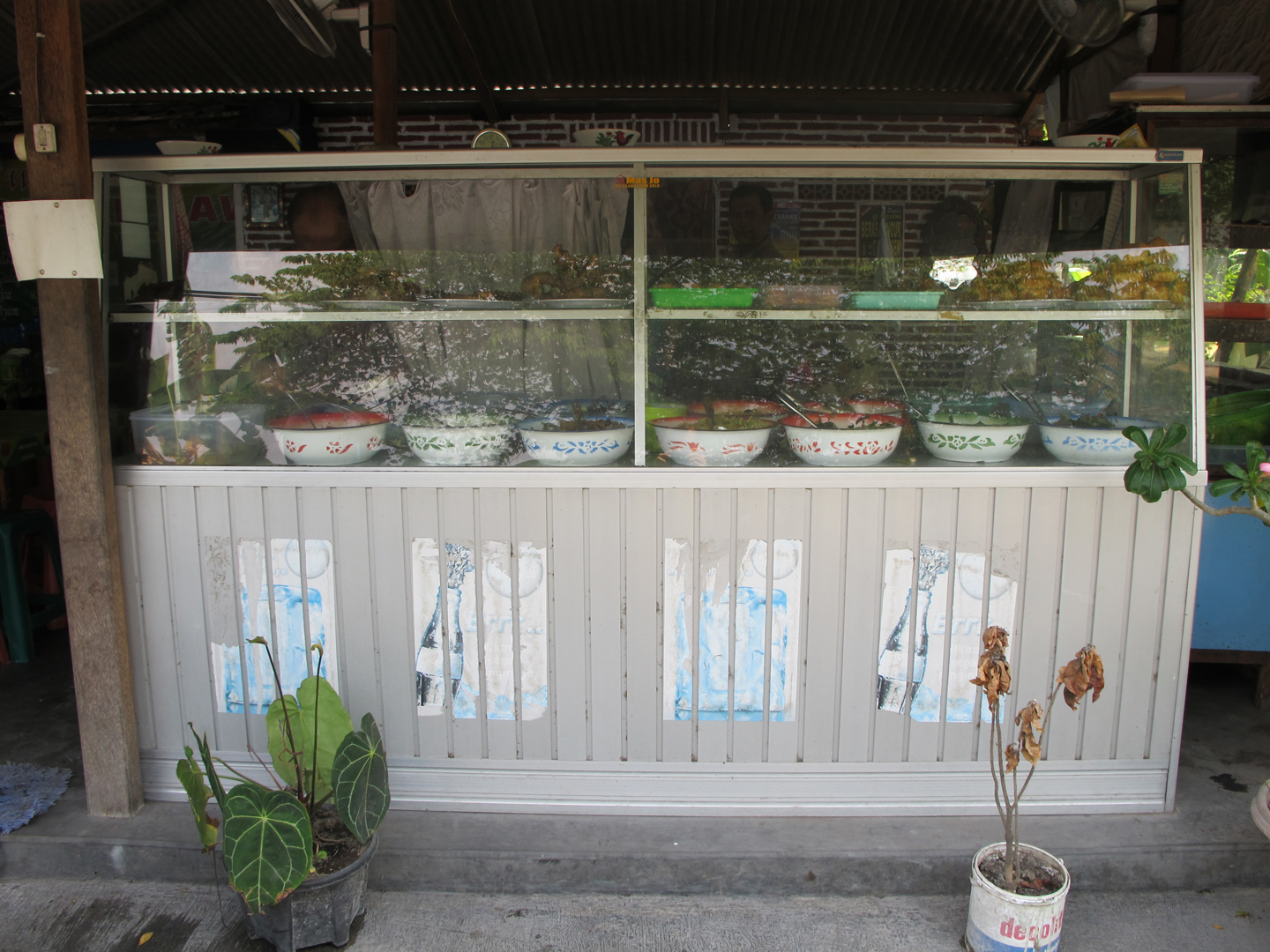
I loved lunch time. If you have ever spent any time in Indonesia, you know it is the eating-est, snacking-est place on the planet. We would usually wander down to a warung nearby and eat there. There was a kind of open-air buffet with crazy home-cooked foods in big, chipped ceramic bowls.

Fried chicken heads? Yes. Strange healthful greens with shredded coconut and chilies? My mother would approve. Tempeh, tofu, tiny-fried-to-death-fish-reconstituted-in-sauce-with-okra. Check! Weird saucy curry with meat of unknown provenance? Let’s go. Don’t forget the fresh sambal. Pile up your bowl, try something new, order a watery sugary tea with dubious ice-cubes, and wander back down the street to work needing a coffee Hello Mister.”

We’d work quietly throughout the afternoon, with some people holding pin-ups of the projects in adjacent rooms. Young architecture students, seasoned Solonese planners, novice photographers, some Harvard interns, a couple of charismatic idealists, and me. Planning talk and collaboration went in and out of the blue rooms, the concrete floors. The slow machine of community planning moved forward, you could feel the energy in perfect tempo with the pace of little ancient Solo and it was just right.

As everywhere in Indonesia, it gets dark around 6 p.m. year-round. As the light outside dimmed and the crackling, tired fluorescent bulbs came on in the small tokos and homes along the street, we’d usually wind-up or wind-down depending on our deadlines. As our lap-tops blinked at us in the twilight, conversation would inevitably turn towards what we were going to do for dinner.

Leave a comment

One Simple Question

By Ahmad Rifai

If you could change one thing about your neighborhood, what would it be?

This question is deceptively simple it’s hard to image anyone would have a hard time responding to it. But as our team walked around Solo’s 51 neighborhoods asking this question, we found out it’s not as simple as we thought.

Particularly in poor areas, people feel reluctant to answer. They give different reasons:

“I do not have any idea, it’s better for you to ask the neighborhood leader.”

“I’m just ordinary citizen, I can’t give any comment I’m not sure I can give the correct answer.”

“Poor people, like me, will just agree with what the government says.”

“I don’t have enough knowledge to answer that so far as I can tell, this neighborhood looks good.”

Why are people reluctant to voice their opinion about their neighborhoods? From our experience in the neighborhoods, I have two ideas about this. The first is that no one has ever asked people this question before. The second is that residents do not have enough information about their neighborhood.

Since people have never been asked what they want to change, people in the neighborhood do not have the opportunity to be involved or participate in local decision-making processes. Poor people are never asked about their opinion in the neighborhoods.

This means marginalization people are excluded from neighborhood planning and the development that does happen limits them from the access, opportunity, and rights as citizens to voice their aspirations for the neighborhood.

In regards to information, there actually is a lot information available in the community, but certain people might not have enough access. This makes people unable to contribute ideas about the development of their neighborhood because they have limited knowledge and understanding of local issues.

The goal of Solo Kota Kita is to raise public awareness of urban problems, and our team is aware that it’s hard for people to say what they want to happen because of lack of access to community information. Expanding access and distributing information useful for the community is important so residents can relate their aspirations to the context of the development process and the changes that are happening in Solo. Because the information provided by Solo Kota Kita begins with the fundamental needs of society, we hope it will contribute to improving the City of Solo.

Leave a comment